Why recognition errors are the fastest way to learn
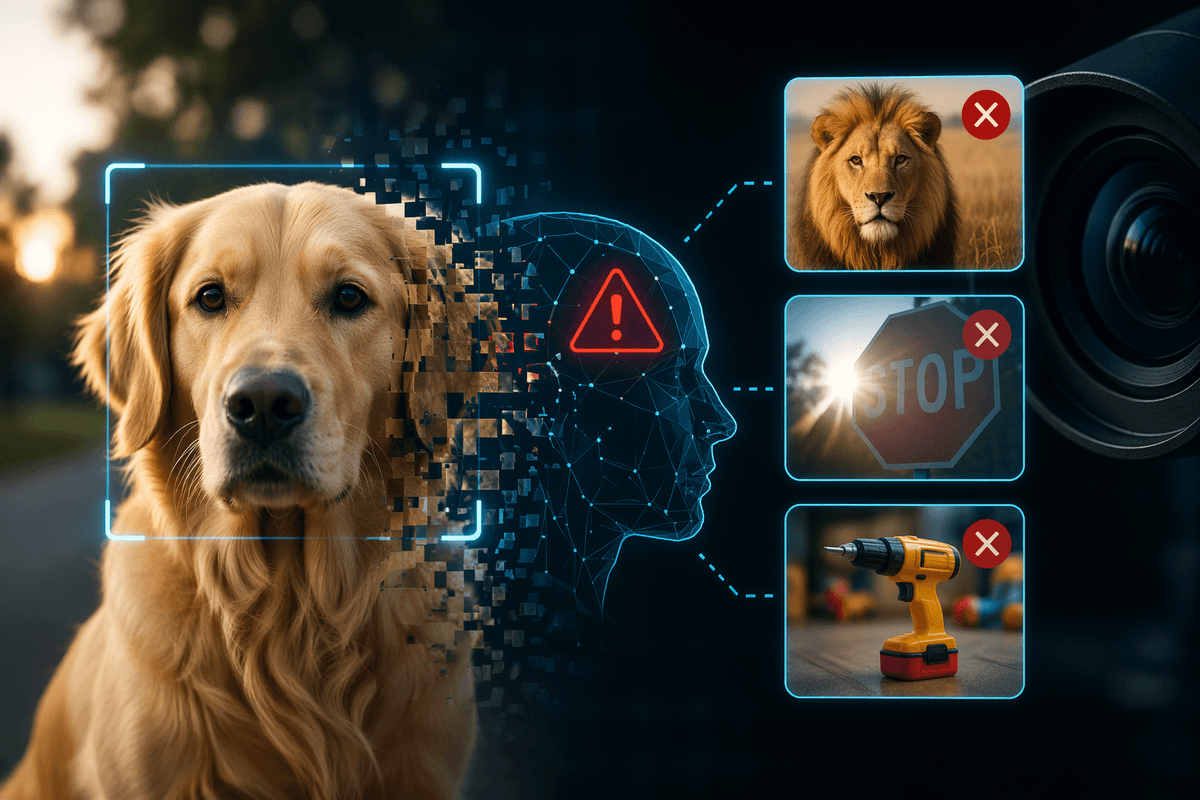
You’ve probably seen a vision model label a golden retriever as “lion,” miss a stop sign in glare, or confidently tag a toy as a real tool. Those errors feel like simple bugs, but they’re the quickest way to learn what the system is actually using as evidence. A correct answer can hide weak logic; a wrong answer exposes it.
When you collect failures, patterns show up fast: the model may rely on texture over shape, overvalue backgrounds, or treat lighting and camera angle as part of the object. Each mistake is a diagnostic test you didn’t have to design from scratch.
The constraint is cost: saving hard cases, labeling them well, and reproducing conditions in testing takes time, tooling, and sometimes new data collection. Even so, error review beats debating “understanding” in the abstract because it ties trust to observable behavior.
The main recognition error types you’ll keep seeing
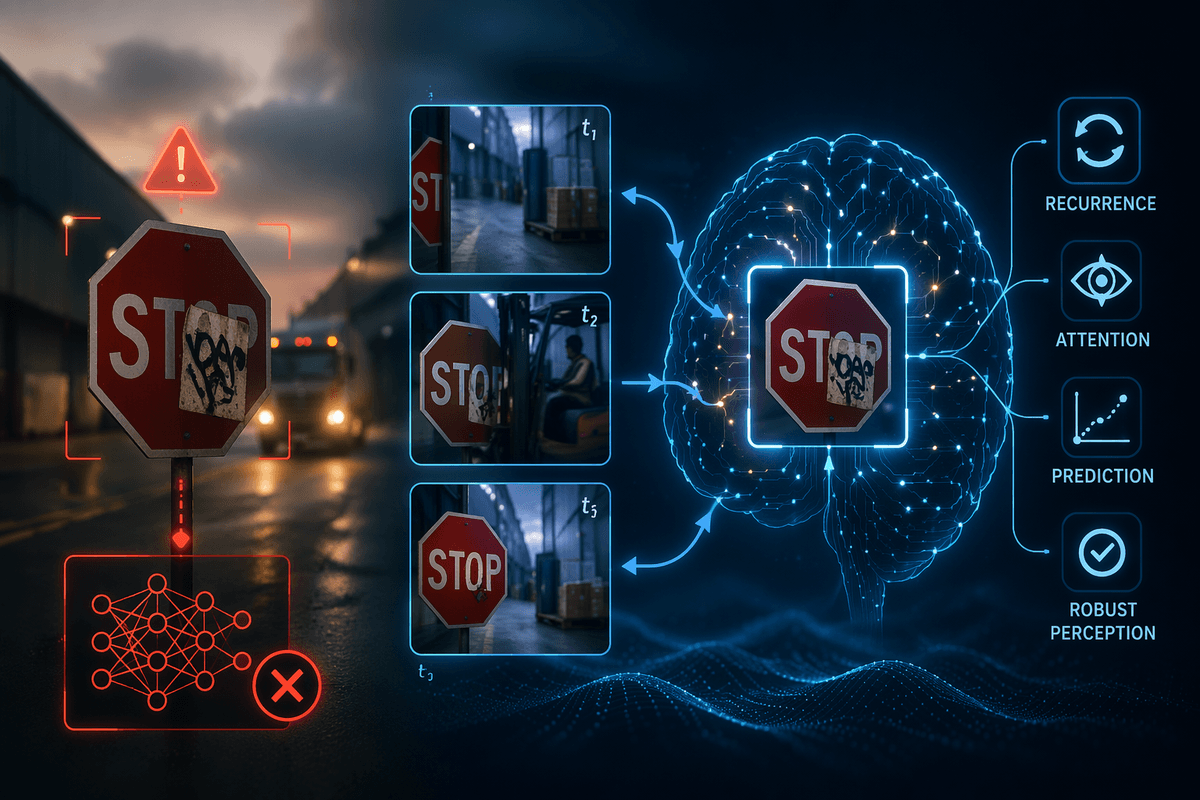
A familiar pattern is the clean miss: the object is present, but the model doesn’t “see” it because the signal changed. Glare, motion blur, compression artifacts, a new camera lens, or a slightly different viewpoint can push features outside what it learned. These misses often cluster around small, reflective, or partially occluded items—think badges, pills, thin wires, or a stop sign at dusk.
The second pattern is the confident swap: it sees something, but picks the wrong class because the lookalike cues are strong. Dogs become wolves, toy drills become real drills, and storefront logos blend into one another. A variation is the “almost-right” label (husky vs. malamute) that matters if your product logic treats categories as safety-critical.
The third is shortcut recognition, where the background wins. Snow implies “ski,” grass implies “cow,” a kitchen counter implies “knife.” Fixing that is rarely just model work; it can require collecting counterexamples, paying for tighter labels, and accepting slower iteration cycles.
When the model is right for the wrong reason
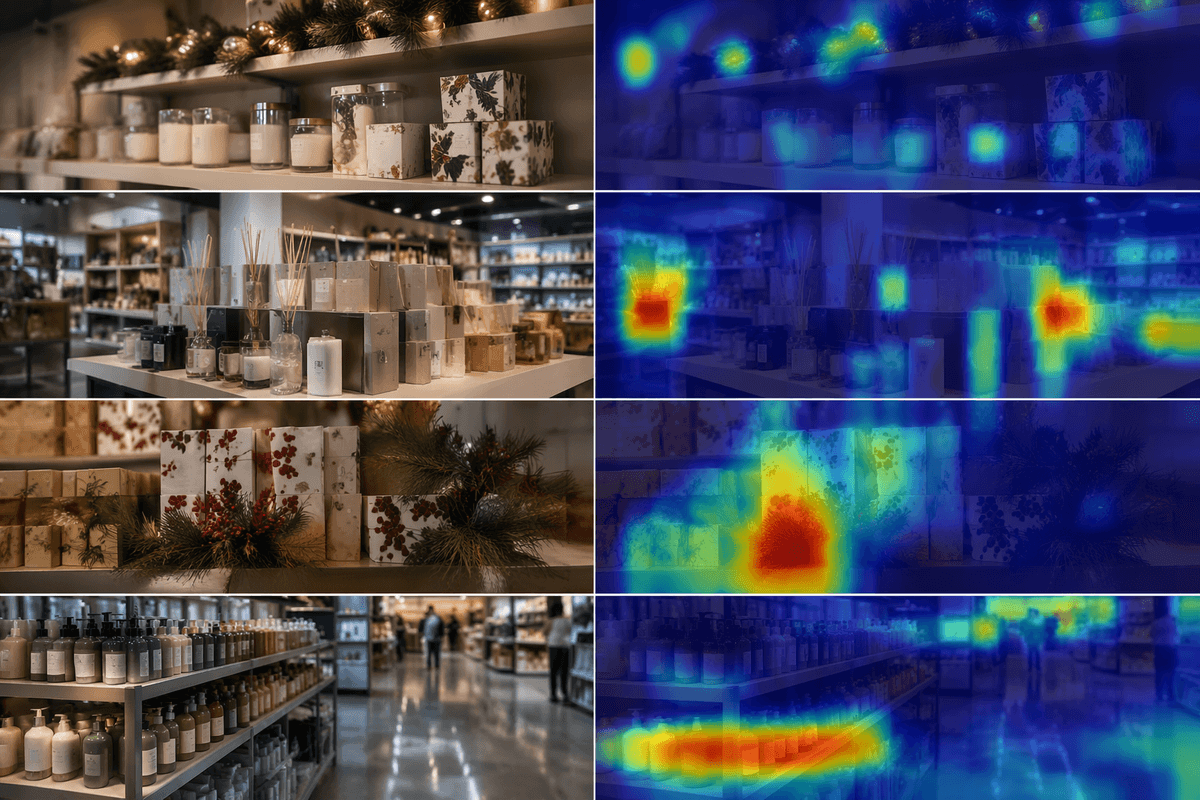
A trickier failure is when the prediction is correct, but the evidence is brittle. A model might label “fire truck” correctly because it latched onto a red blocky region, not because it can separate a truck from a red billboard. It looks accurate in a demo, then breaks when the same object is repainted, shadowed, or shot at night.
You can often spot this when “easy” accuracy doesn’t transfer. A retail classifier that nails “banana” in bright studio photos may quietly depend on the produce-bag sheen or a specific counter texture. In the wild, a banana on a dark car seat becomes “glove,” while a yellow sponge becomes “banana.” The label is fine; the logic is not.
For product decisions, this matters more than headline metrics. A high test score built on shortcuts won’t survive new stores, new camera placements, or seasonal changes. Validating the model’s reasons usually requires extra tooling—saliency checks, controlled perturbations, and targeted counterexamples—and those take time that teams rarely budget upfront.
Data and labels: the quiet source of most failures
The familiar pain point is reviewing a “bad” prediction and realizing the model may be fine, but the data story is not. If your training set overrepresents glossy product photos, the model will treat sharp edges and clean lighting as part of the concept. If “fork” images mostly appear on white plates, the plate becomes a cue. These aren’t theoretical issues; they show up as consistent, repeatable mistakes that vanish when you change the background, camera, or capture pipeline.
Labels add their own quiet failure modes. Class definitions drift (“mug” vs. “cup”), annotators disagree on occluded objects, and bounding boxes vary from tight to loose in ways the model learns as signal. Multi-label images often get simplified to one “main” thing, which teaches the system to ignore context. Improving data quality usually means paying for clearer guidelines, adjudication, and audits—not just retraining—and it can slow release cycles even when the model code stays the same.
When a model looks strangely confident in the wrong moments, it’s often echoing label noise or dataset shortcuts rather than “hallucinating.” The most useful question to ask in error review is boring but decisive: what exactly did we teach it was correct, and how consistently did we teach it?
Shifts in the real world that break recognition
A deployed vision model lives downstream of small, unplanned changes. A camera gets swapped for a cheaper sensor, exposure settings change after a firmware update, or a storefront replaces bright bulbs with warmer LEDs. The objects haven’t changed, but the pixels have. Even “good” changes—higher resolution, sharper focus—can shift the feature mix enough to trigger misses and confident swaps.
The world also drifts in slower, messier ways. Packaging refreshes, seasonal clothing and foliage shift colors, new car models appear, and signage accumulates stickers or graffiti. Workplaces rearrange layouts, adding new backgrounds and occlusions that were rare in training. If the model learned shortcuts (common countertop, typical logo placement), those shortcuts stop working when the environment gets remixing pressure.
There’s a cost to staying robust: you need ongoing sampling from production, periodic relabeling, and tests that mimic upcoming changes (new stores, new regions, new devices). Without that, a stable offline metric can hide a steadily worsening real-world error rate.
How to diagnose errors without guesswork or overfitting
A practical starting point is to treat every failure like a reproducible experiment, not a debate. Save the raw input, the model output (including confidence), and the surrounding context your product has available: device type, camera settings, time of day, and any pre-processing versions. When someone says “it fails in low light,” turn that into a slice you can count: low light plus motion blur, low light plus reflective surfaces, low light on one specific sensor. The goal is to replace anecdotes with clusters you can re-run.
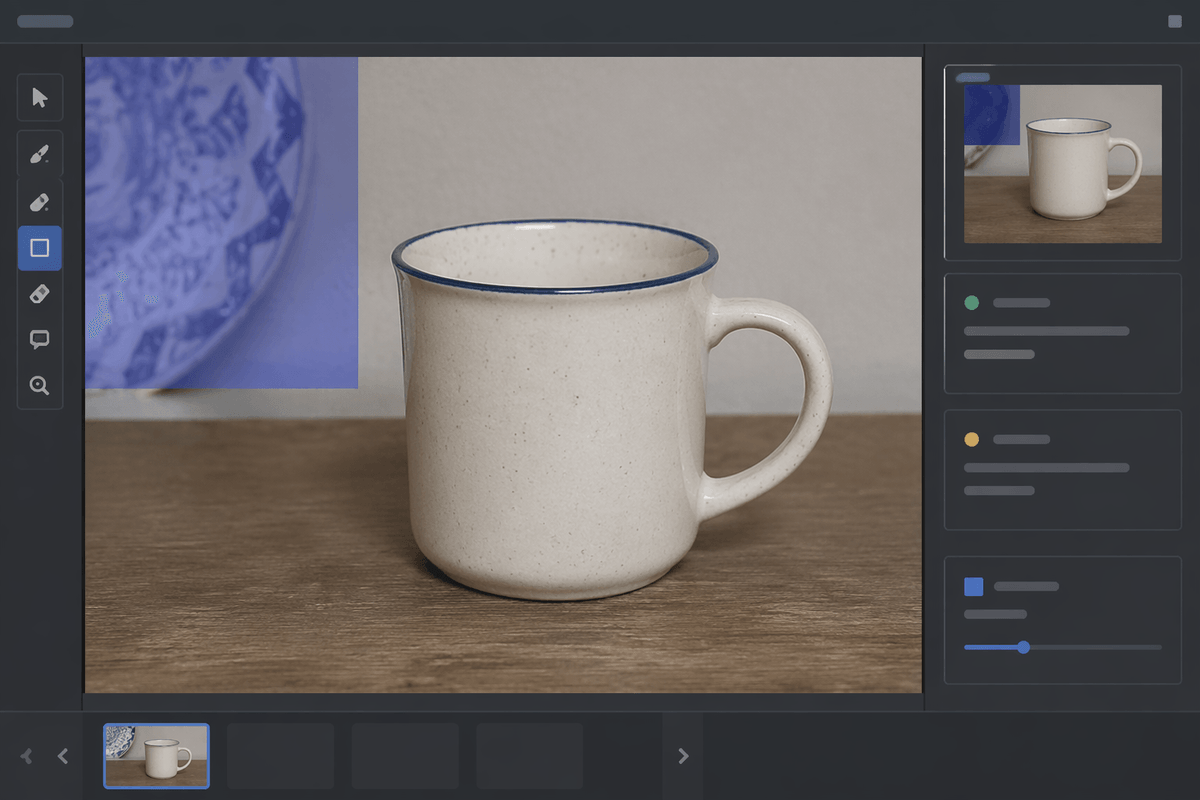
Once clusters appear, stress them with controlled changes. Rotate, crop, blur, and adjust brightness in small steps to find the boundary where the prediction flips, then compare against examples where it holds. If you use saliency or attention-style tools, treat them as hints, not proof; confirm by masking the suspected cue (background, logo corner, plate rim) and checking whether the prediction collapses. This is how you catch “right label, wrong evidence” without inventing stories.
Avoid overfitting the fix by separating “diagnosis cases” from “verification cases.” If you add counterexamples for snowy cows, hold out different snow scenes from different cameras. The constraint is real: building these splits and running repeatable perturbation tests requires storage, tooling, and discipline, but it prevents chasing one loud failure into a quieter, broader regression.
Turning weakness signals into safer, stronger vision systems
The recognizable moment is when a bug report feels like a one-off, but the evidence points to a repeatable weakness: “fails on glare,” “confuses toys with real tools,” “over-trusts the countertop.” Treat those as product signals, not model shame. Turn each cluster into a named risk, with a test slice, an expected behavior, and a mitigation plan (better data, different thresholding, or a “needs human check” path).
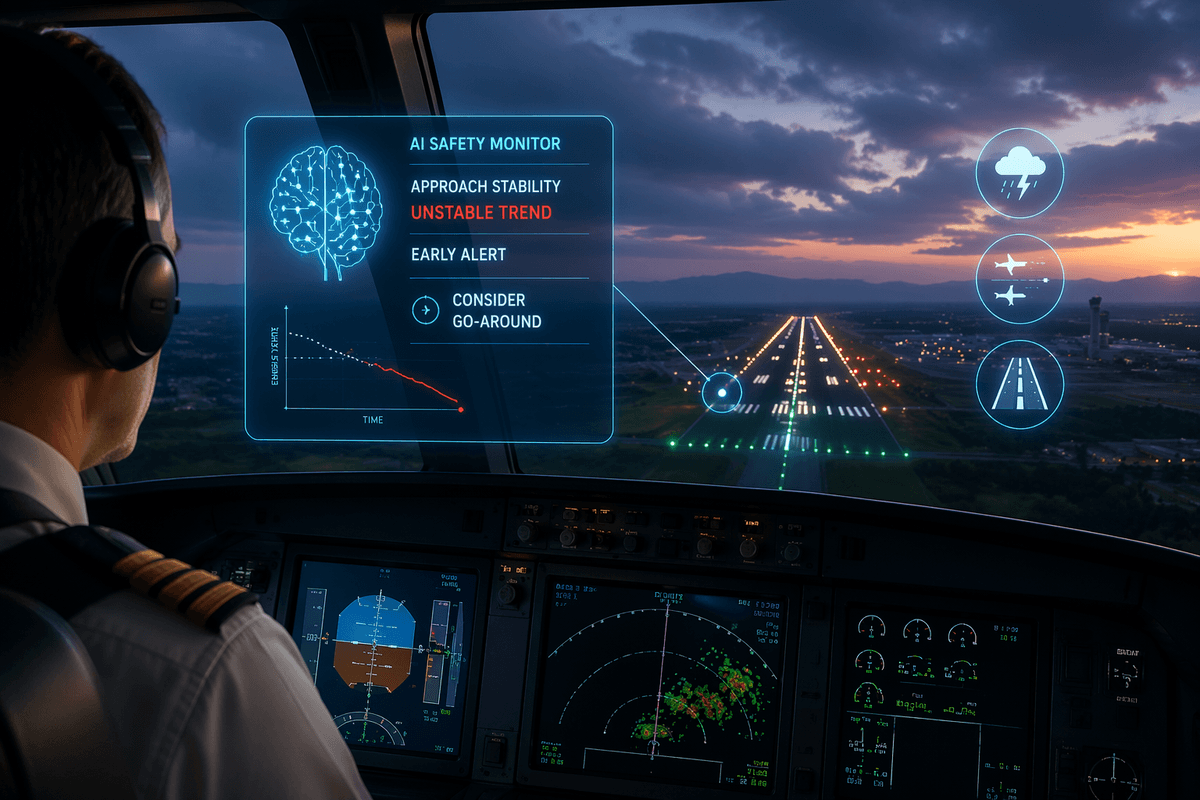
Safer systems usually combine technical and operational guardrails. Calibrate confidence per environment, add “unknown” or abstain modes where mistakes are costly, and log enough context to detect drift early. The practical constraint is coverage: you can’t patch every corner case, so prioritize fixes by real-world harm and frequency, then re-audit after every data or camera change.