 Impact
Future Computing Depends on Responsible AI Development
Learn how responsible AI development removes deployment bottlenecks with governance, evaluation, data transparency, and security practices for scalable AI.
 Impact
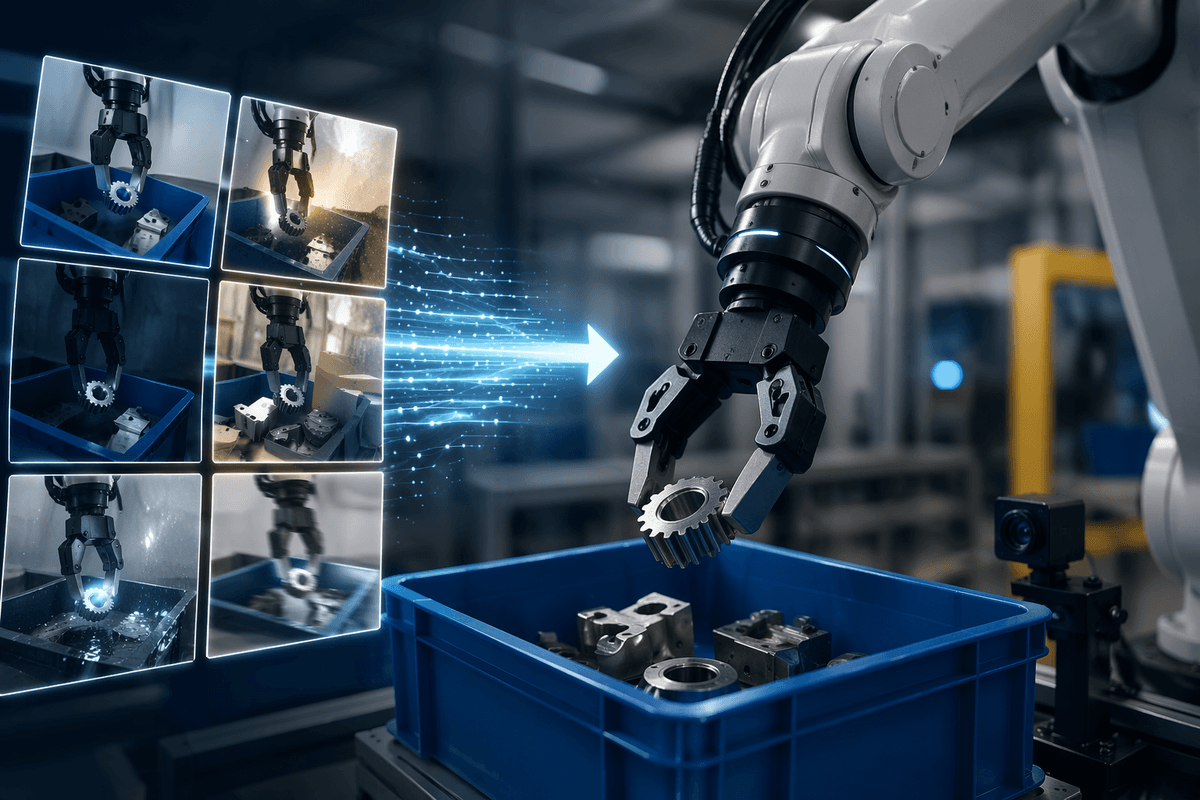
AI Image Generators Improve Robot Learning
Learn how AI image generators and synthetic data help robot learning overcome data limits, close the sim-to-real gap, and avoid label drift in training.
 Impact
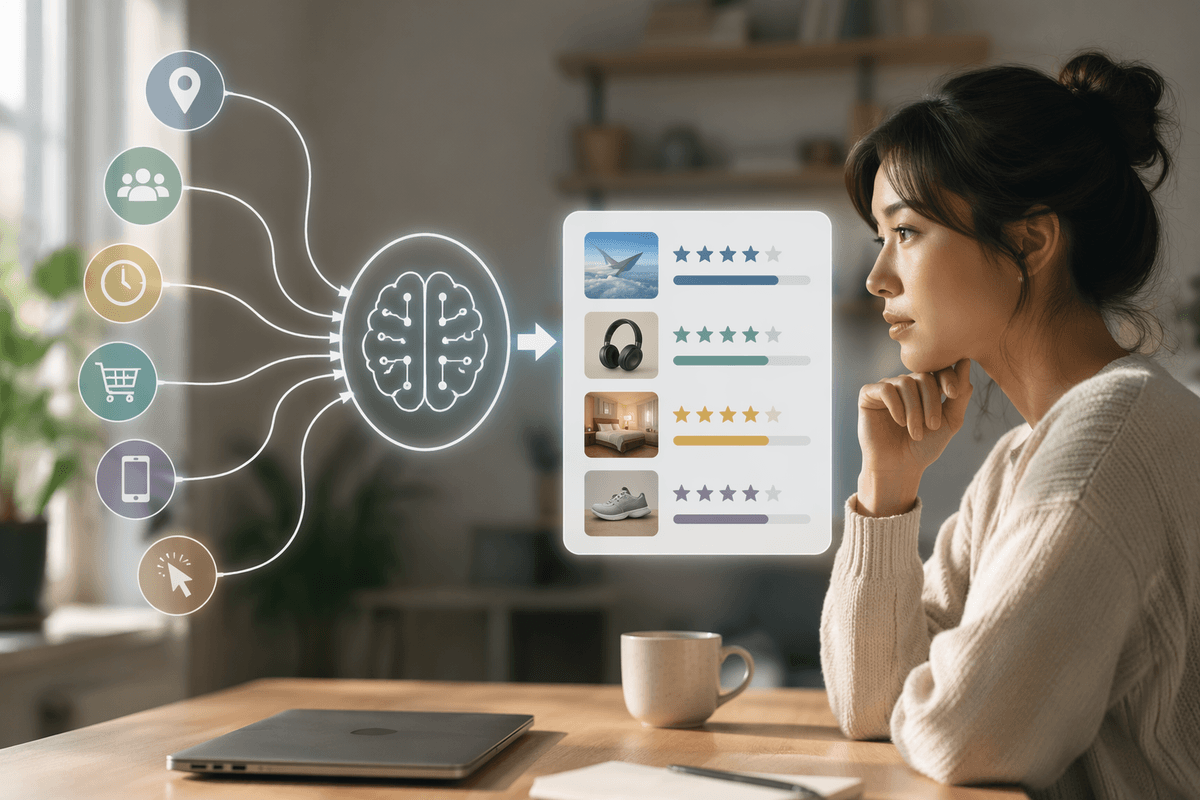
How Algorithms Improve Everyday Decisions
Learn how algorithms improve everyday decisions through filtering, ranking, prediction, and prevention—plus the trade-offs and how to stay in control.
 Impact
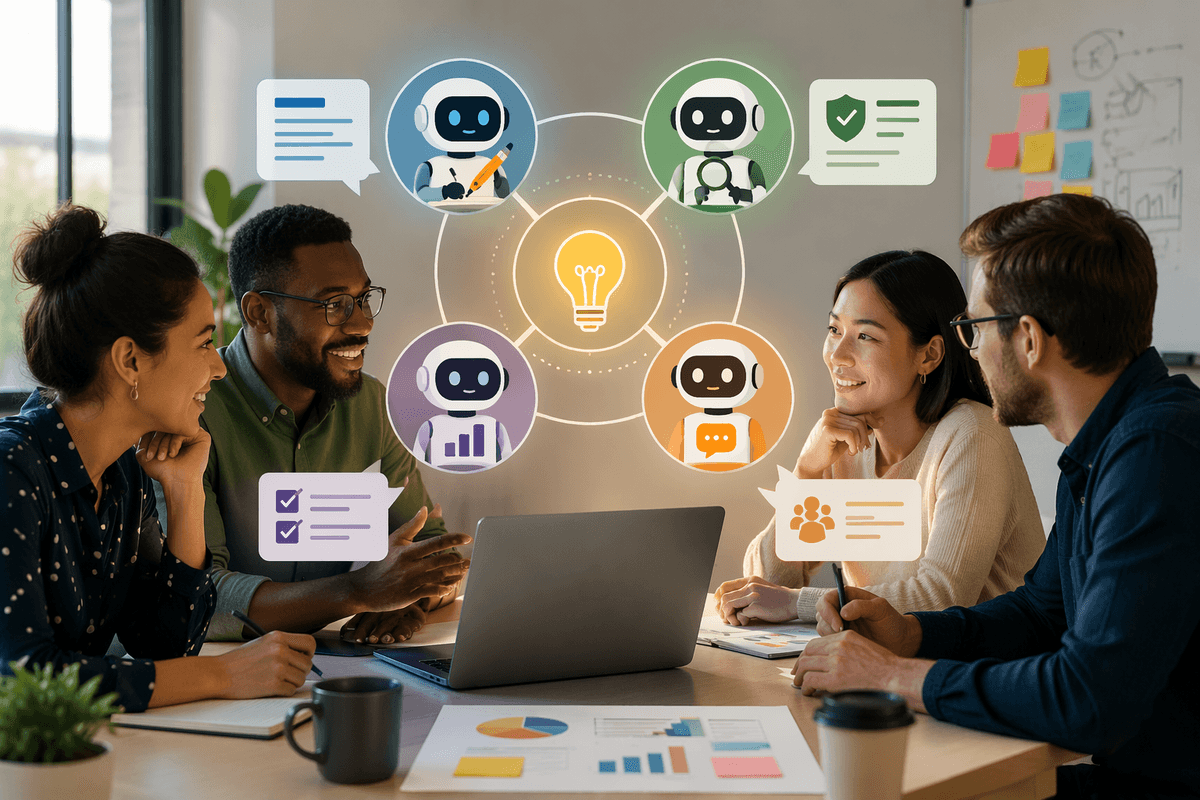
How AI Diversity Improves Team Collaboration
Learn how AI diversity—using multiple models and role-based agents—improves team collaboration, reduces blind spots, and adds guardrails for decisions.
 Impact
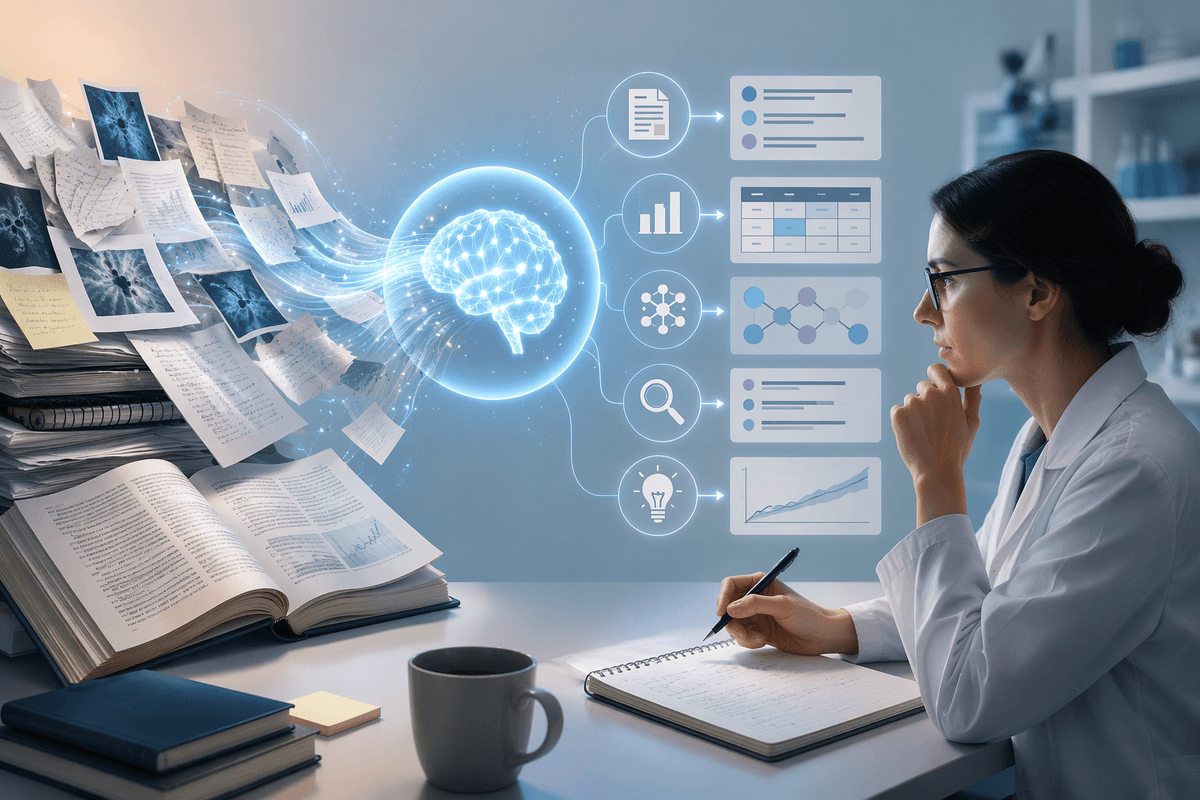
Generative AI Expands Research Applications
See how generative AI in research speeds literature reviews, structures messy sources, and supports RAG tool choices—without losing rigor with guardrails.
 Impact
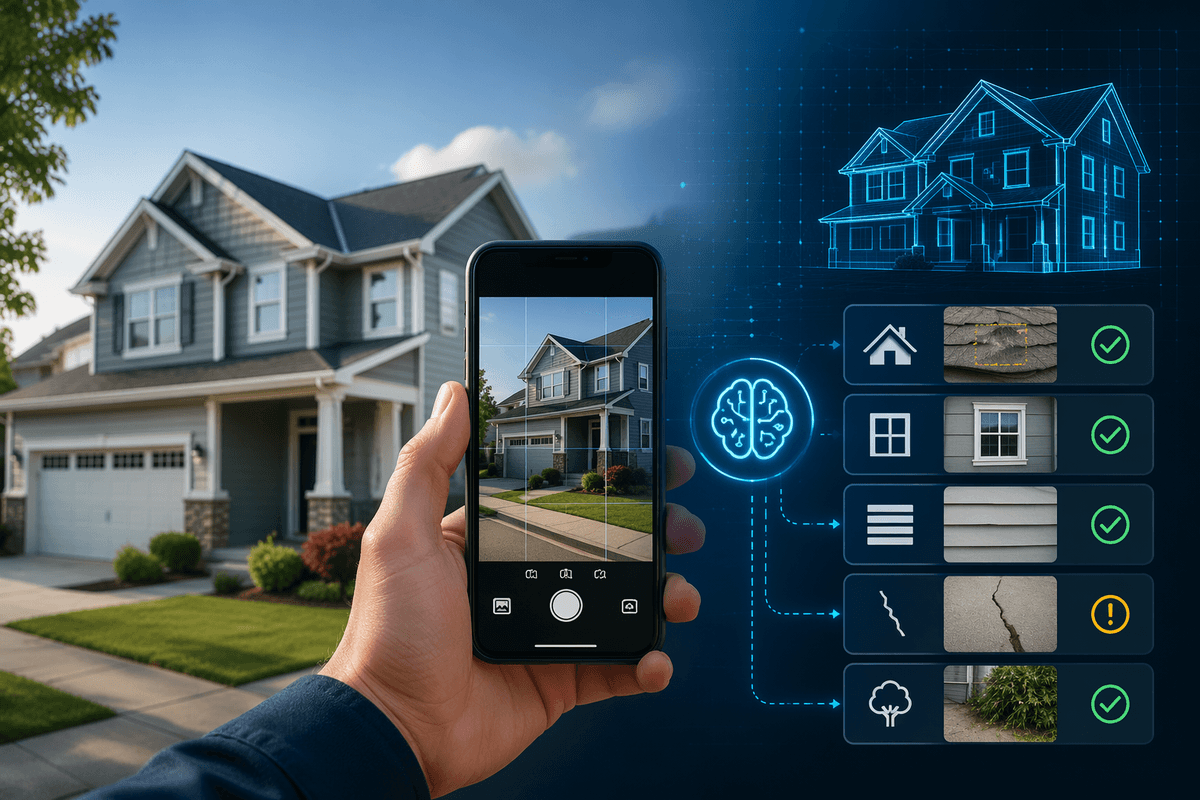
AI Vision Simplifies Property Assessment
Learn how AI vision streamlines property assessment with guided photo capture, defect extraction, QA workflows, and privacy safeguards to cut cost and delays.
 Impact
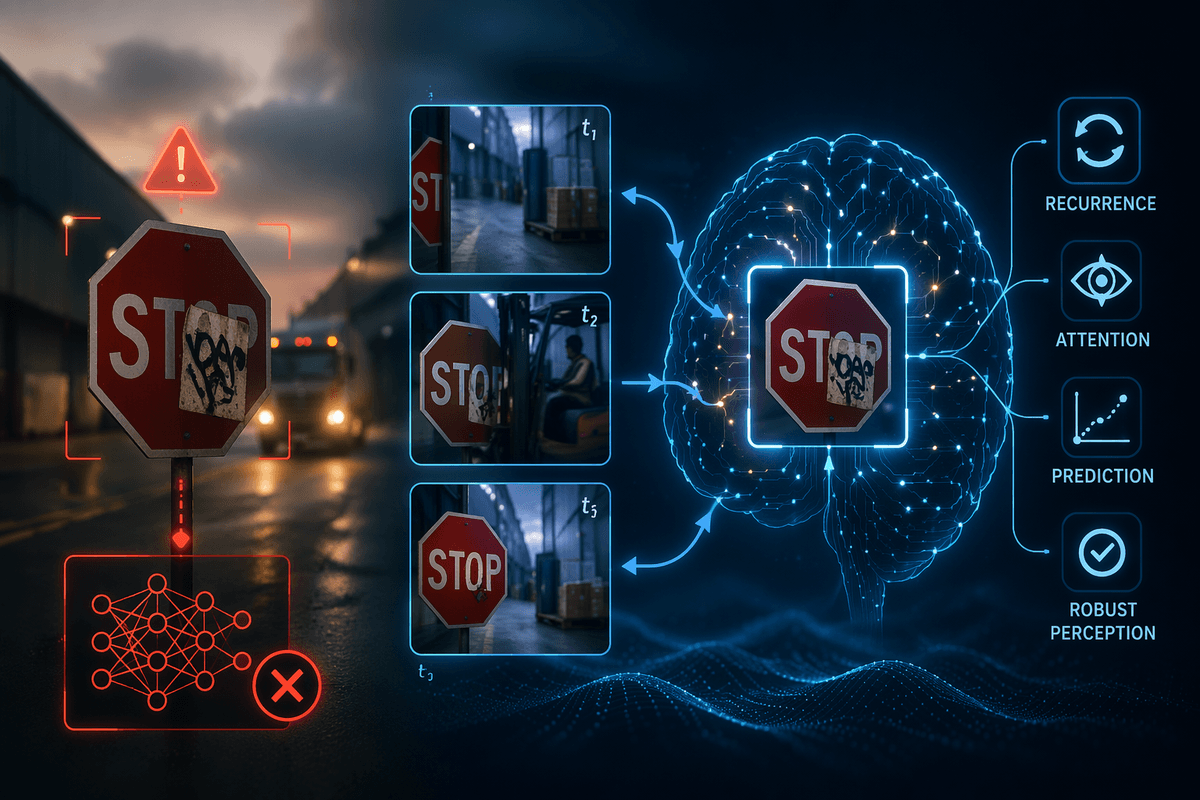
Brain-Like Vision Improves Computer Perception
Brain-like vision adds recurrence, attention and prediction to make computer vision robust to occlusion, blur and shifts, with compute/latency trade-offs.
 Impact
AI Autopilots Improve Flight Safety Systems
AI autopilots improve flight safety by detecting unstable approaches, runway conflicts, and loss-of-control risks while addressing certification, data, and human factors.
 Impact
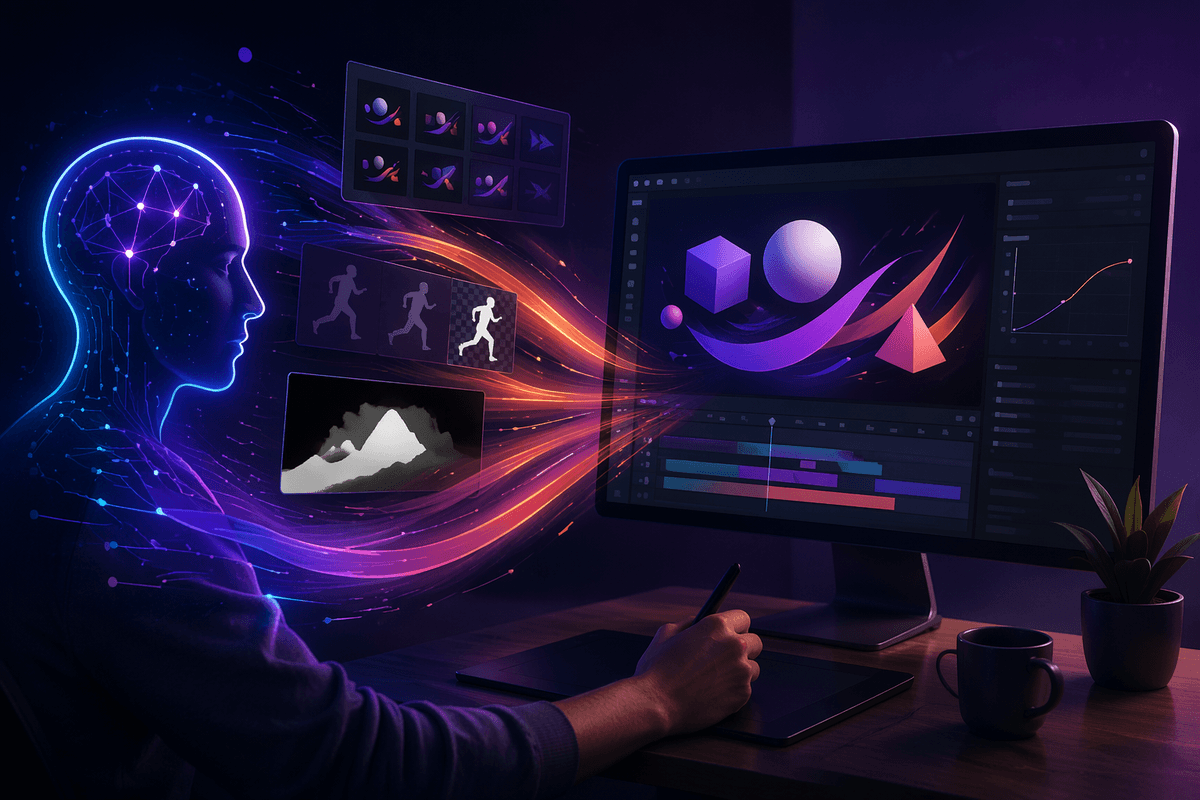
AI Animation Systems Improve Motion Design
Learn how AI animation systems improve motion design by speeding roto, timing, and variations—plus tips for brand consistency, QC, and pipeline fit.
 Impact
How to Apply AI for Good: 3 Responsible Principles at the Workplace
Learn three responsible principles to apply ethical AI at work—promoting transparency, fairness, and human-centered practices