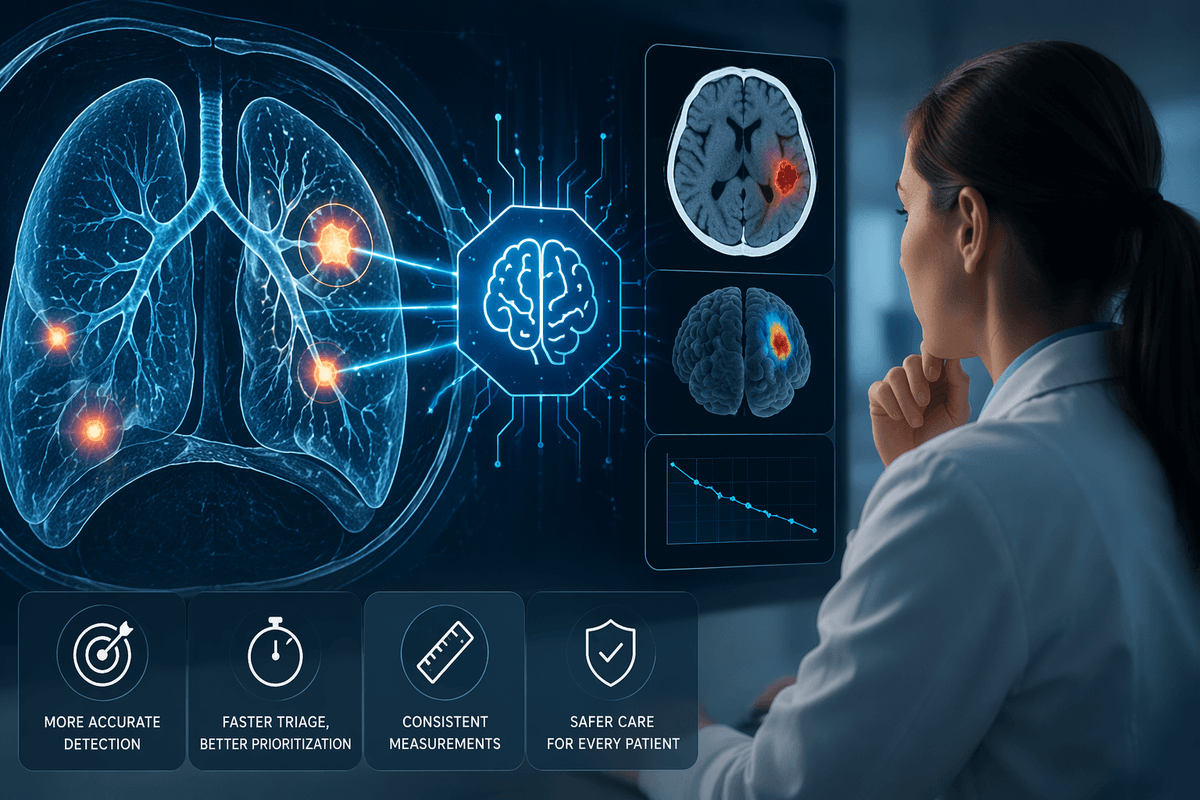
Why AI autopilots are being revisited for safety
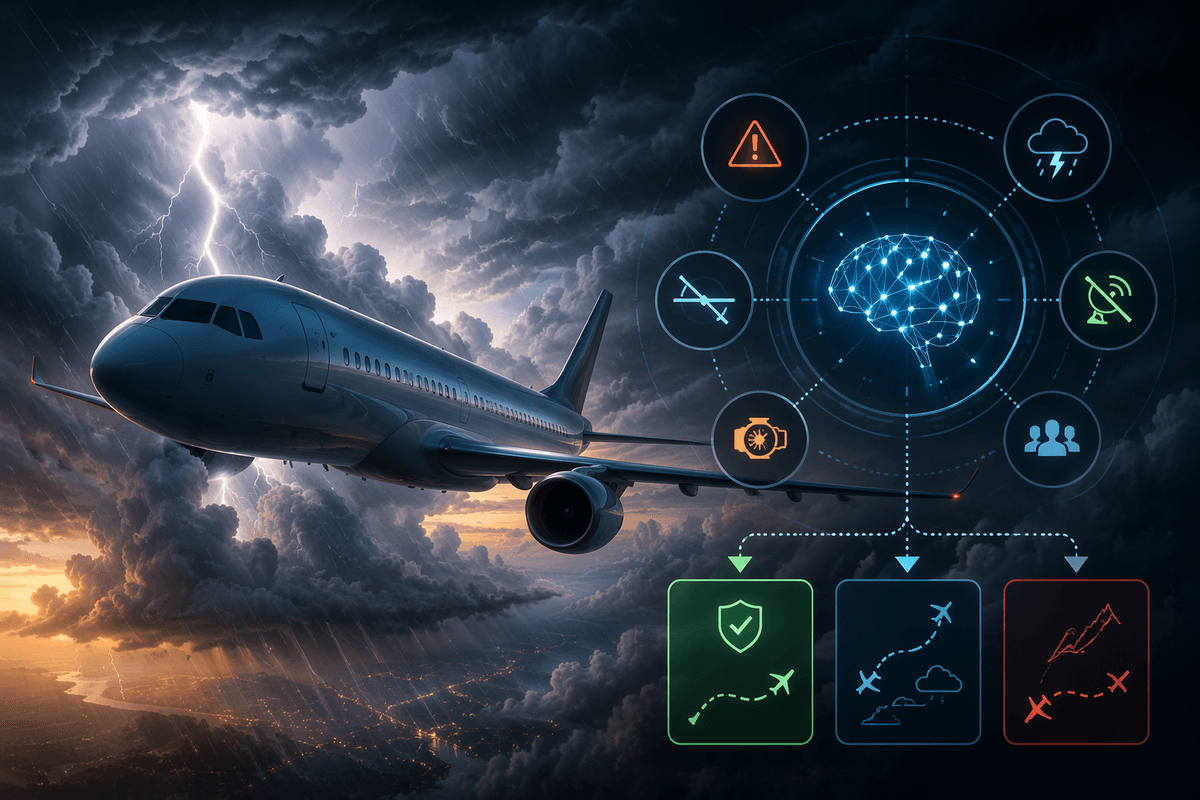
Air travel is already very safe, yet the remaining incidents often cluster around busy, high-workload moments: unstable approaches, runway incursions, loss of control, and weather-driven diversions. Those are situations where humans can miss a cue, misread a trend, or get overloaded by alerts and radio traffic, especially when procedures pile up at once.
AI-enabled automation is being revisited because it can continuously monitor more signals than a crew can comfortably track, spot subtle patterns (like a developing energy problem on approach), and prompt earlier, clearer interventions. It can also help standardize responses across fleets, reducing variability between crews and shifts.
The push is not purely technical. Fuel costs, delay pressure, and staffing constraints incentivize tools that reduce workload without adding headcount. But any safety gain has to outweigh new risks from software complexity, sensor dependence, and harder-to-explain decisions.
What counts as an “AI autopilot” (and what doesn’t)
People often call any “smart” cockpit feature an AI autopilot, but most automation in service today is rule-based: it holds altitude, tracks a route, follows a glide path, and disconnects when limits are exceeded. A true AI-enabled autopilot is one that uses learned models to interpret messy inputs—vision, weather returns, noisy sensor blends—and then adapts its control or guidance based on patterns rather than fixed thresholds.
That includes functions like predicting an unstable approach earlier than standard cues, or recommending a mode change because the aircraft’s energy trend is drifting. It does not include a better touchscreen, voice commands, or a flight management update that still follows preset logic. The practical line is accountability: if the system can’t clearly show why it acted, certification, training, and incident investigation all get harder and more expensive.
Where AI can realistically reduce accidents and incidents
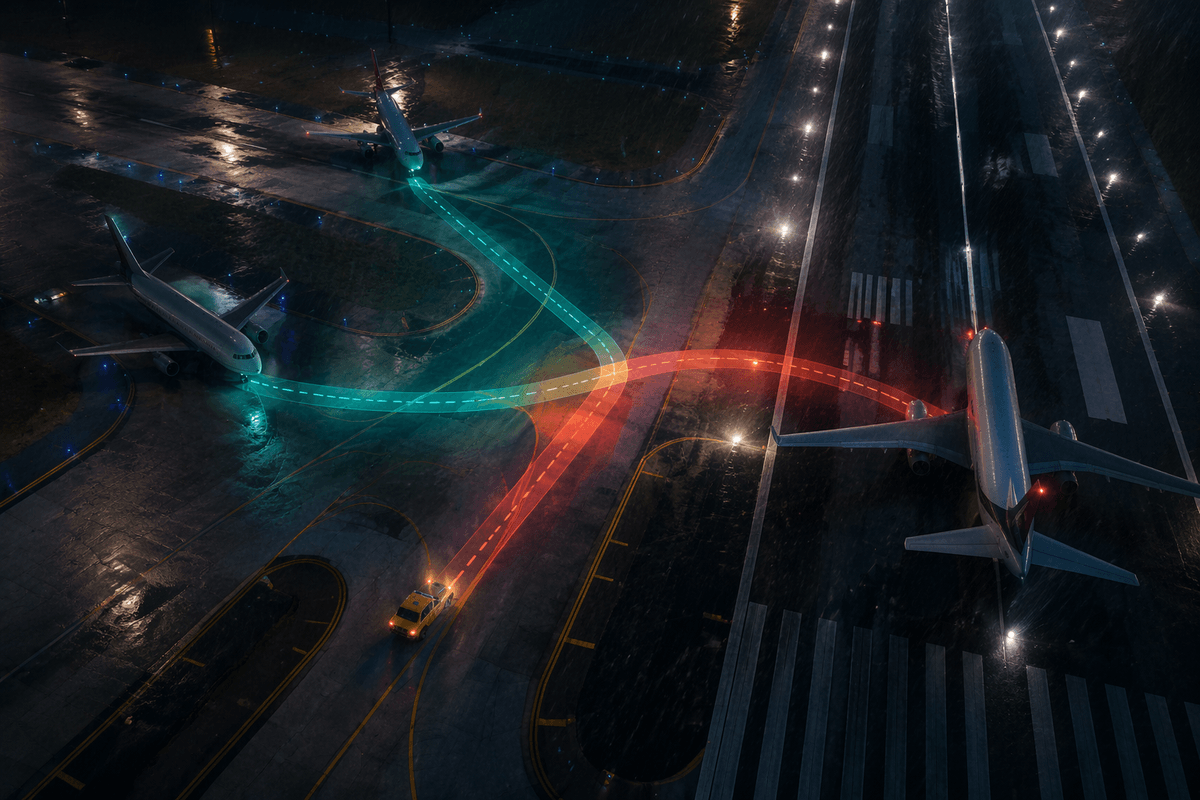
A familiar place where AI can help is trend monitoring during high workload: the aircraft is configured late, winds shift, and the approach is technically still “stable” until it suddenly isn’t. A learned model that watches energy state, sink rate, configuration changes, and crew inputs can flag a developing unstable approach earlier than a single gate check, buying time for a go-around decision while margins still exist.
On the ground, AI can reduce runway-conflict risk by fusing surface radar, ADS-B, and aircraft state to warn about converging trajectories when radio calls are missed or misunderstood. In flight, it can help with loss-of-control precursors by detecting unusual control patterns or sensor disagreement and recommending simpler, proven modes. These gains depend on clean data and tight integration with procedures; otherwise crews face more alerts, more training burden, and more “nuisance” warnings that get tuned out.
New failure modes: automation surprise, bad data, brittle models
A common new risk is automation surprise: the airplane behaves “correctly” to the system’s internal logic, but not the way the crew expects in that moment. A learned model might nudge pitch or thrust earlier than a standard mode would, or quietly switch to a different guidance strategy when it detects a pattern it associates with an unstable approach. If the crew can’t quickly tell what changed and why, they may chase the behavior with manual inputs or select the wrong mode, adding confusion at the worst time.
Bad data is the simplest failure mode and often the hardest to spot. An AI layer that relies on blended sensors can be misled by a frozen pitot, a misaligned inertial reference, a biased angle-of-attack signal, or a corrupted surface track. If the model was trained mostly on “normal” sensor behavior, it may confidently act on a flawed picture.
Brittleness shows up in edge cases: unusual winds, rare airport layouts, mixed precipitation, or atypical crew technique. Fixing this is not free—broader data collection, stress testing, and retraining add cost, time, and configuration-control burden across a fleet.
How AI autopilots fit with existing safety systems onboard
In a modern cockpit, an AI layer cannot be “the new autopilot” in isolation; it has to sit inside the same guardrails that already keep errors from becoming accidents. That means it should be constrained by flight control laws, envelope protections where they exist, autothrottle limits, and the basic mode logic crews already use to predict behavior. When it wants to intervene—suggest a go-around, increase thrust, change guidance—its safest role is often as an advisory or a constrained supervisor, not a free-form controller.
It also has to cooperate with alerting and redundancy systems rather than compete with them. If air data looks suspect, the AI should degrade gracefully, fall back to simpler control modes, and surface a clear “why” that aligns with existing checklists. The practical difficulty is integration: tying AI outputs into certified buses, displays, and failure logic can be more work than the model itself, and poor integration shows up as extra alerts, mode confusion, or hard-to-audit interactions between systems.
Certification and validation: proving safety without perfect predictability
A familiar tension for regulators and operators is that the airplane still has to be certifiable as a system, even if one component is trained on data rather than hand-coded. Traditional certification leans on requirements you can trace and test directly: “when X happens, do Y.” With learned models, the honest claim is usually statistical—better detection of unstable trends across many flights—so the evidence has to shift toward showing consistent behavior, bounded outputs, and safe fallback modes when confidence drops.
Validation tends to look like layered proof: controlled lab tests, high-fidelity simulation with targeted “nasty” scenarios, hardware-in-the-loop checks, and limited operational trials with tight monitoring. Just as important is configuration control—knowing exactly which model version is on which tail—and a clear policy for updates, because retraining can quietly change behavior. The cost is time and tooling: collecting representative data, curating rare edge cases, and documenting traceability can rival the engineering effort of the model itself.
Human factors and training: keeping pilots in the loop
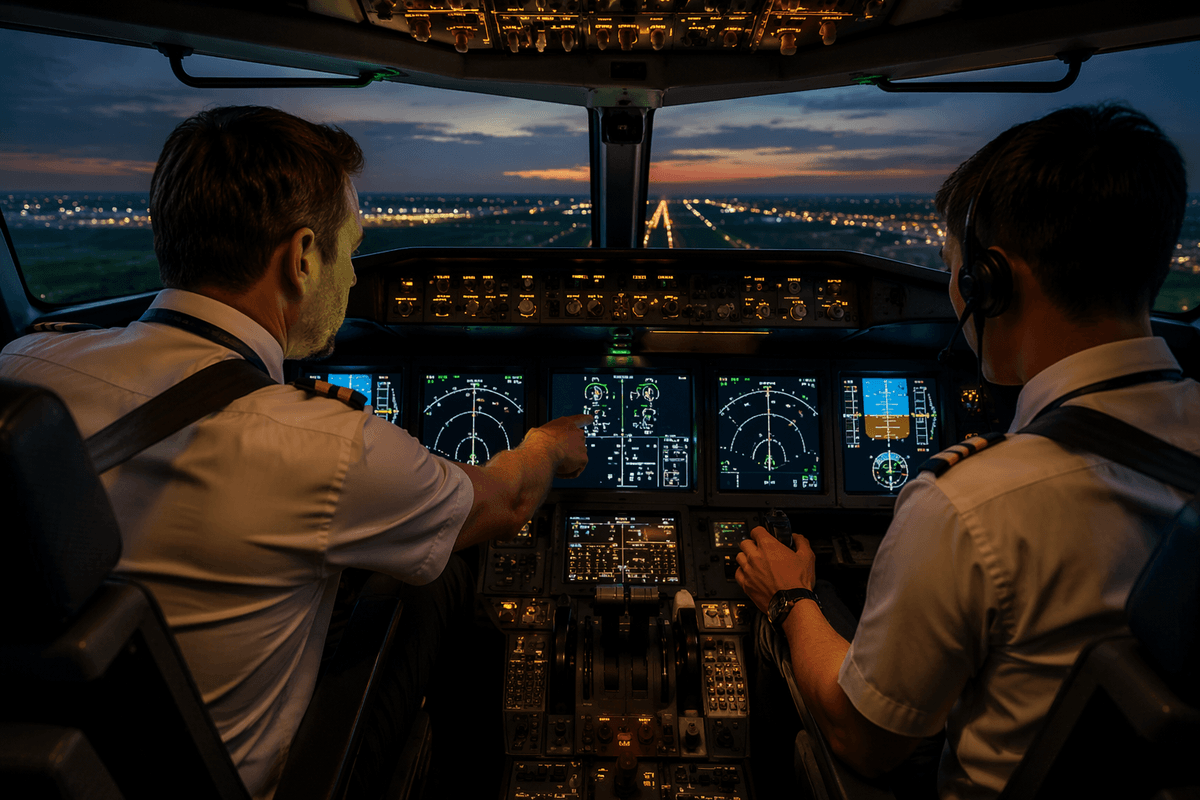
In day-to-day line flying, the weakest link is often not whether automation can fly the profile, but whether crews can correctly predict what it will do and how to take over cleanly. An AI-enabled layer can add another “voice” in the cockpit, so training has to focus on shared mental models: what the system watches, what it will never do, and the specific cues that mean it is degrading, uncertain, or reverting to a simpler mode.
That means scenario-based training that includes false alerts, sensor disagreement, and unexpected mode shifts, not just ideal demonstrations. Crews also need crisp, standardized callouts and a quick way to answer “what changed?” on the display, because explanation time is limited close to the ground. The practical constraint is training and checking capacity: more modes and edge cases increase simulator time, update cycles, and the risk of uneven proficiency across a fleet.
A practical path to safer AI autopilots, not hype
A useful starting point is narrower than “AI flies the airplane.” Aim first at supervised functions that reduce known risks—earlier unstable-approach detection, runway-conflict prediction, better sensor-disagreement handling—while keeping existing autopilot and protection logic as the hard boundary. Require clear cockpit indications of confidence, degradations, and fallbacks, so pilots can predict behavior without decoding a black box.
Adoption should look like disciplined fleet change control: limited trials, objective safety metrics, stable model versions per tail, and conservative update policies. If a vendor cannot show representative training data coverage, targeted edge-case testing, and a credible plan for nuisance-alert management, the “safety gain” will be paid back in workload, training cost, and new ways to be surprised.