Why human perception keeps showing up in AI behavior
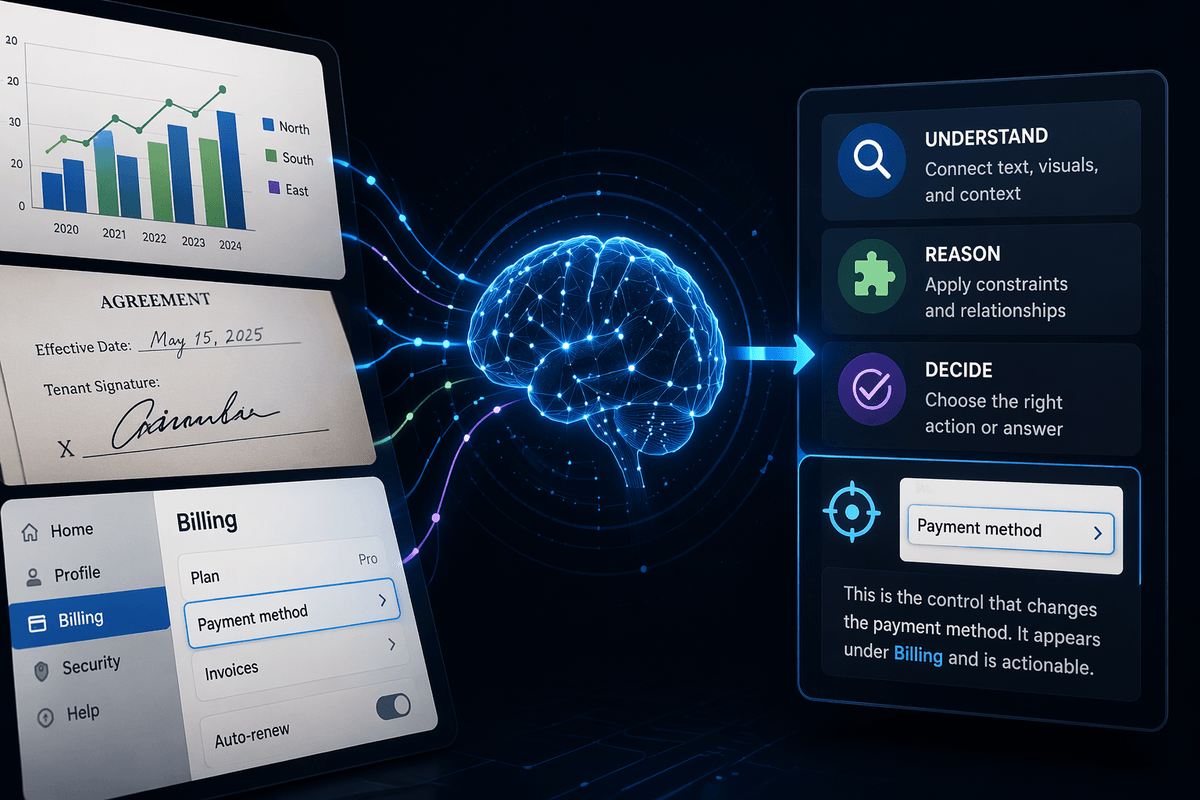
You can often tell when an AI model has picked up something “human” without anyone explicitly programming it: it prefers the most typical example, misses a subtle but important detail, or confidently follows a familiar-looking pattern. That happens because many training signals come from people, even when the model’s task doesn’t sound psychological. Humans choose what to photograph, what to caption, what to click, what to rate as “good,” and what to flag as harmful, and those choices reflect how we notice, group, and prioritize information.
Once those signals are used at scale, the model learns the shortcuts embedded in them. It learns what humans treat as similar, what we ignore, and what we consider “normal enough” to accept as correct. This can make products feel more intuitive—search results, recommendations, and image understanding often improve when the model aligns with human attention and similarity judgments. The practical constraint is that perception data is messy and context-dependent, and collecting it (eye-tracking, detailed ratings) can be expensive, privacy-sensitive, and biased toward whoever was easiest to recruit.
The result is a model that can look perceptive while still being brittle. It may mirror common human judgments in everyday cases, then fail in edge cases where human perception is inconsistent, culturally specific, or simply wrong. That’s why “learning from human perception” isn’t just a nice story about making AI more natural; it’s a concrete pipeline choice that determines which parts of human experience get amplified, and which blind spots quietly become part of the system’s behavior.
What counts as a “perception pattern” in practice

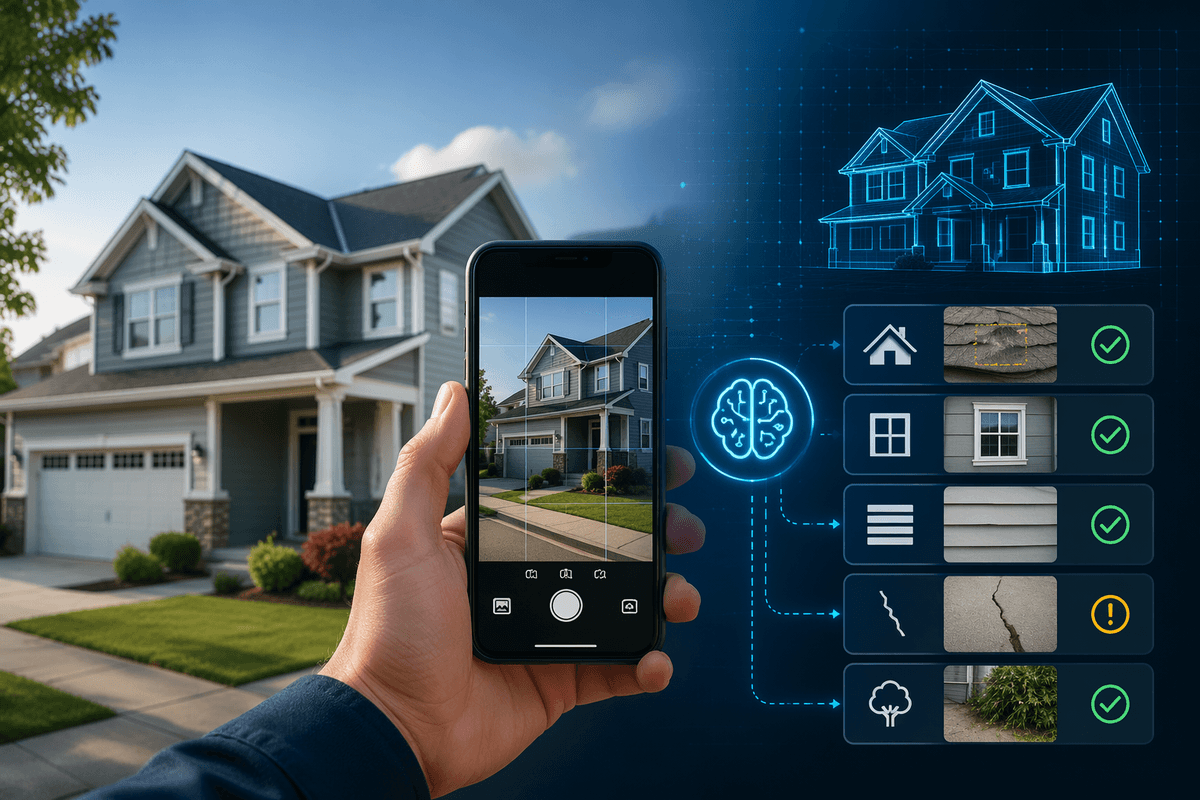
A “perception pattern” is any repeatable signal about what people notice, confuse, or treat as the same. In a vision product, that might be where eyes land first on a photo, which object people describe as “the main thing,” or which two images they say “feel similar” even if the pixels differ. In text, it can look like which phrasing readers interpret as more polite, more threatening, or more certain, or which parts of a long answer they skim past.
In practice, these patterns show up as data you can actually collect: clicks and dwell time in search, A/B choices between two recommendations, heatmaps from eye-tracking, “odd one out” similarity tests, or human ratings that implicitly reward typical-looking outputs. Even moderation labels can act like perception data, because “harmful” often correlates with how salient something feels to a reviewer.
A click might mean relevance, but it can also mean curiosity, habit, or a misleading thumbnail. Eye-tracking and detailed similarity judgments are richer, but they cost more, don’t scale cleanly, and raise privacy questions when tied to individuals.
How training data quietly encodes human perceptual shortcuts
Consider a photo dataset built from what people choose to share: centered faces, good lighting, familiar angles, and scenes that read clearly on a small screen. Before any model trains, “what’s worth capturing” has already filtered the world through human attention. The same thing happens in text corpora, where common phrasing, popular topics, and culturally typical examples dominate simply because they’re written and repeated more often.
Then come the annotations. A bounding box around “dog” usually follows what a person thinks is the main dog, not every partial occlusion, reflection, or ambiguous outline. Captions tend to name the most salient object and skip background details. Similarity labels reward what people group together quickly (“these look alike”), which bakes in shortcuts like relying on color, gender cues, or familiar prototypes when the task is under-specified.
Even passive data like clicks encodes perceptual habits: people choose what stands out, not always what’s correct. Cleaning and balancing can help, but it costs time, money, and often requires sensitive data handling if you’re using attention traces or user behavior tied to individuals.
Supervised labels, human ratings, and the pull toward “typical”
When you switch from “found data” to supervised training, the human perceptual filter gets even stronger because it turns into the target. A labeler deciding whether an image “contains a bicycle” will usually reward clear, centered bicycles and punish borderline cases—half-visible frames, unusual angles, or messy reflections. The model learns that “bicycle” often means “typical bicycle presentation,” not the full concept.
Human ratings push in the same direction. If reviewers score responses for “helpfulness” or “quality,” they often prefer answers that read smooth, familiar, and confidently structured. That can be good for usability, but it also nudges the system toward safe-sounding defaults: common phrasing, conventional examples, and mainstream interpretations of ambiguous prompts.
You need harder labeling guidelines, more time per example, and deliberate coverage of rare cases, which increases cost and disagreement between raters. Without that investment, models can look aligned with human judgment while quietly failing on uncommon users, niche domains, or edge-case inputs.
Where human-like perception helps—and where it backfires
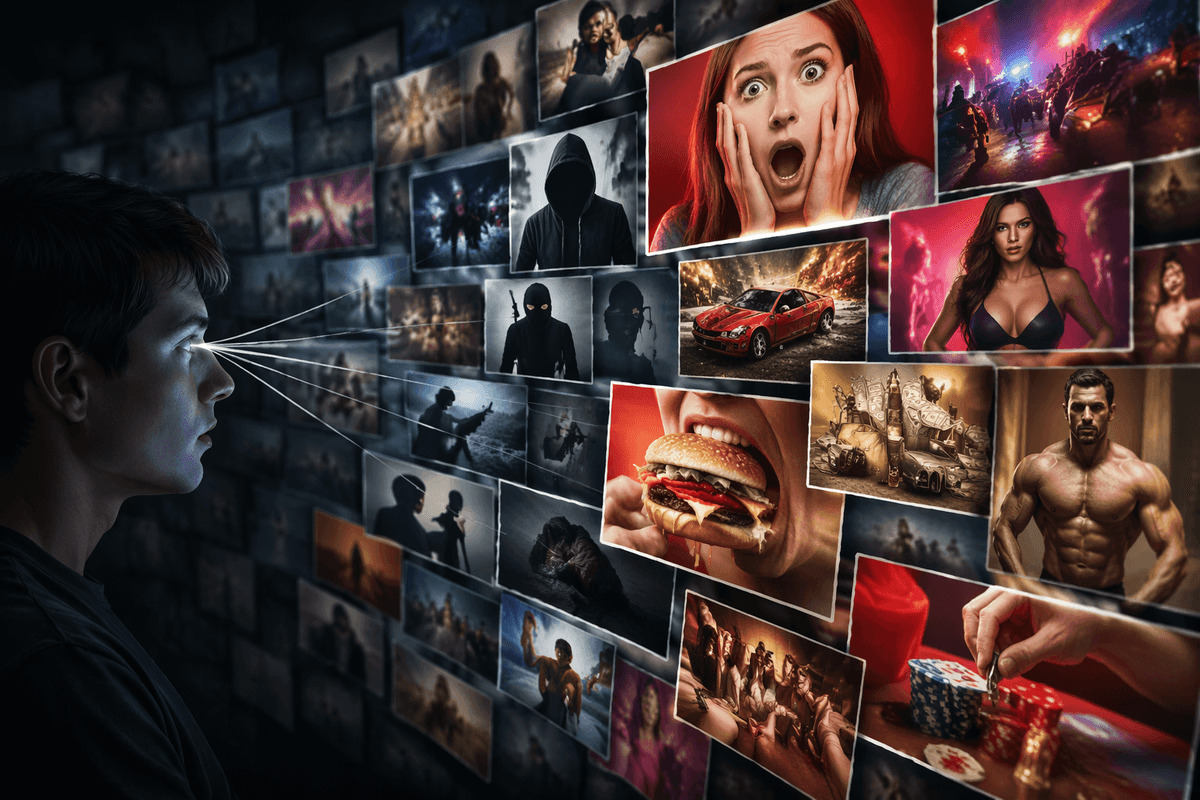
Think about the last time a product “just worked” because it matched what you were already paying attention to. Human-like perception helps in exactly those moments: ranking search results so the most recognizable option shows up first, cropping images around faces, summarizing a long page by surfacing what most readers treat as the point, or flagging content that people reliably find alarming at a glance. In interfaces and safety workflows, mirroring human salience can reduce friction because the system highlights what users would have looked for anyway.
It backfires when the human shortcut is the wrong one for the job. A medical image tool that learns “typical presentation” can underperform on rare conditions. A recommendation system that follows attention can amplify clickbait, stereotypes, or unhealthy fixation because “noticed” isn’t the same as “good.” Perception-derived signals also carry practical constraints: eye-tracking and detailed judgments are expensive to collect, privacy-sensitive, and often overrepresent the populations who are easiest to recruit, which can turn “human-like” into “like a narrow slice of humans.”
The useful rule of thumb is to treat human-like perception as a strong prior, not a final answer. It’s great for guiding what to show first and how to communicate clearly, but risky as the sole basis for truth, fairness, or coverage. When the cost of a miss is high, you need extra training pressure toward edge cases, and evaluation that separates “looks right to most people” from “is right under the requirements.”
Design choices that control how much humans shape the model
A team doesn’t have to accept “human-like” as an automatic outcome; it can dial it up or down with fairly concrete choices. If you optimize only for matching human labels or preferences, you’re telling the model that people’s judgments are the ground truth. If you mix those signals with task-based metrics (accuracy against a measurement, long-horizon user outcomes, calibration, uncertainty), the model learns that human taste is one input, not the definition of correct.
Data design matters just as much as the loss function. You can broaden who provides ratings, separate “what stands out” from “what is correct” in the labeling rubric, and upweight rare cases so typical examples don’t dominate. You can also collect perception traces at a coarser level—aggregate heatmaps instead of per-user gaze paths—reducing privacy risk, though it often blurs useful context.
There are product-level knobs too: require citations, allow abstention, and reward “ask a clarifying question” behaviors. These usually cost time—more rater effort, slower iterations, and more complex evaluation—but they make the model’s human imprint a deliberate design choice rather than an accident.
Using perception-aware evaluation to catch surprises early
A familiar failure mode is a model that looks great in demos and then surprises you in production: it ignores the detail the user cares about, overreacts to a visually salient cue, or “helpfully” fills in what it assumes is typical. Perception-aware evaluation treats those as testable behaviors. You probe whether attention-like signals line up with what matters (does it focus on the right region, sentence, or evidence?), and you measure how similarity judgments affect outputs (does it overgeneralize from prototypes, or handle atypical cases without drifting?).
Practically, this means adding eval sets where the “most noticeable” feature is not the correct one: rare presentations, misleading thumbnails, swapped attributes, counter-stereotypical examples, and prompts where confident-sounding defaults are wrong. It also means slicing results by rater group and context, because perception varies, and averages can hide systematic misses.
Collecting gaze, pairwise similarity, or fine-grained rationales takes time, raises privacy and consent issues, and can slow iteration. Even lighter-weight proxies, like click tests, need careful interpretation so you don’t optimize for what grabs attention instead of what serves the user.
Conclusion: aim for deliberate alignment, not accidental imitation
In real products, “human-like” can be a feature, a bug, or both. Models trained on our clicks, labels, and ratings will keep absorbing our perceptual shortcuts unless you actively separate “what people notice” from “what the system should do.” When teams treat preference data as ground truth by default, they often ship systems that sound right, look right, and still fail under the actual requirements.
The practical move is to make the human imprint explicit: decide which parts of perception you want (salience for UI, similarity for retrieval, caution for safety) and where you want something stricter (measurement-based accuracy, uncertainty, coverage of rare cases). That usually costs more—harder data collection, broader raters, privacy safeguards, slower eval cycles—but it buys predictability. Aim for deliberate alignment, not accidental imitation.